Pitching HR Omni at Dogpatch Labs
Posted on December 12, 2025 • 3 min read • 549 wordsI had the opportunity to pitch HR Omni in front of Enterprise Ireland and several venture capital firms at Dogpatch Labs in the heart of Dublin, one of Europe’s most vibrant tech hubs.
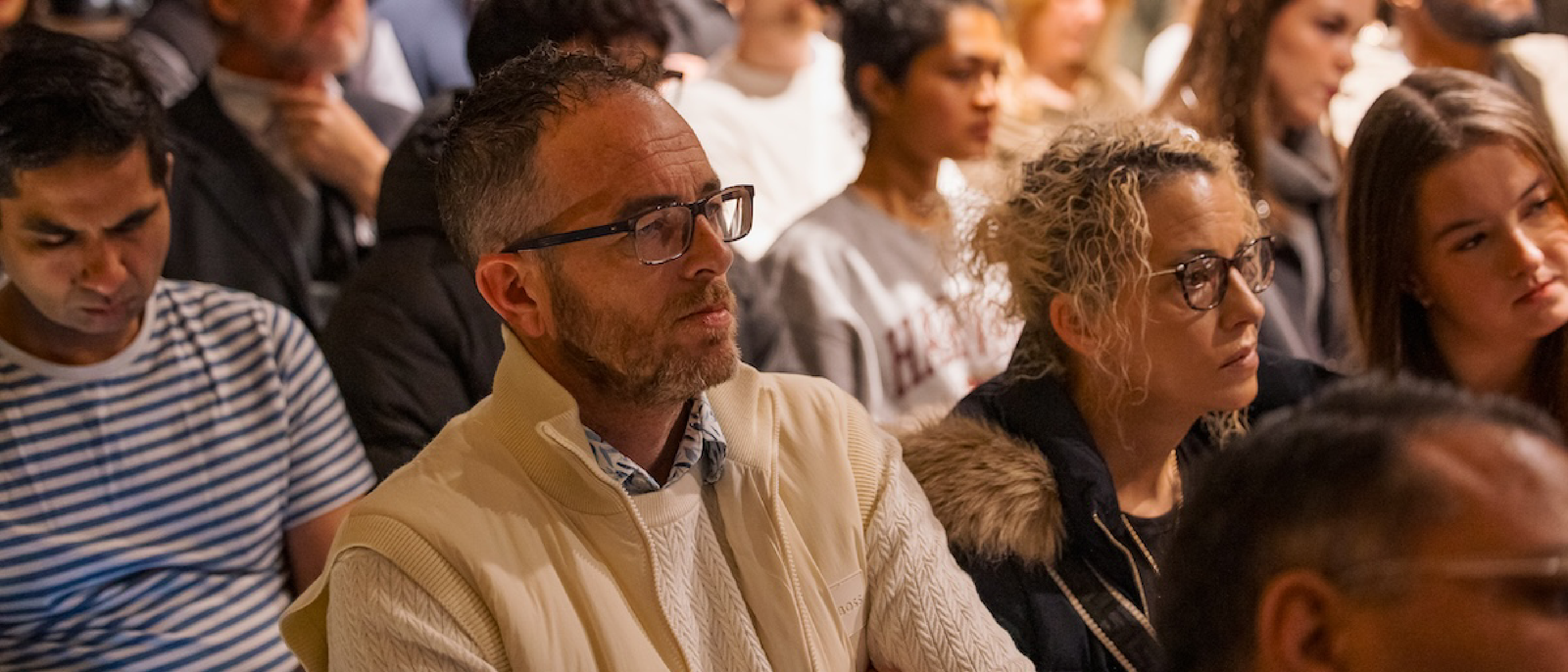
For a founder, standing in a room like that is a reminder of how much can happen in just a few minutes. You prepare for weeks, refine every line and then step up to deliver your vision with complete clarity.
Those moments move quickly, but they also bring everything into focus.
Where the Idea Began
For me, this journey started long before the pitch. At a previous job, I went through an onboarding process that lasted more than a week. It was not the role that required that much time. It was the tools. I had to learn multiple systems, understand which one stored which information and repeat the same details again and again. Every mistake created friction and nothing stayed in sync.
Later, through conversations with teams and business owners, I learned that this was not a rare experience. It was the standard. Companies rely on a long list of HR and operations tools that do not communicate with each other. Data gets duplicated. Systems disagree. People spend hours correcting simple errors rather than focusing on meaningful work.
That frustration became the starting point for HR Omni.
What We Set Out to Build
HR Omni is designed to rebuild HR infrastructure from the foundation upward.
Instead of separate tools with separate databases, we created a single core data engine. Every module connects to that engine and uses the same data automatically. Whether it is Absence, Time Tracking, Files, Inventory or upcoming tools like Recruitment and Onboarding, each one draws from one place.
- No repeated data entry.
- No mismatched records.
- No bundles that force you into features you do not want.
This structure also makes HR Omni highly flexible. Modules can be turned on or off at any time. New tools can be added quickly. AI actions become reliable because there is one source of truth rather than a patchwork of disconnected systems.
Sharing This Vision on Stage
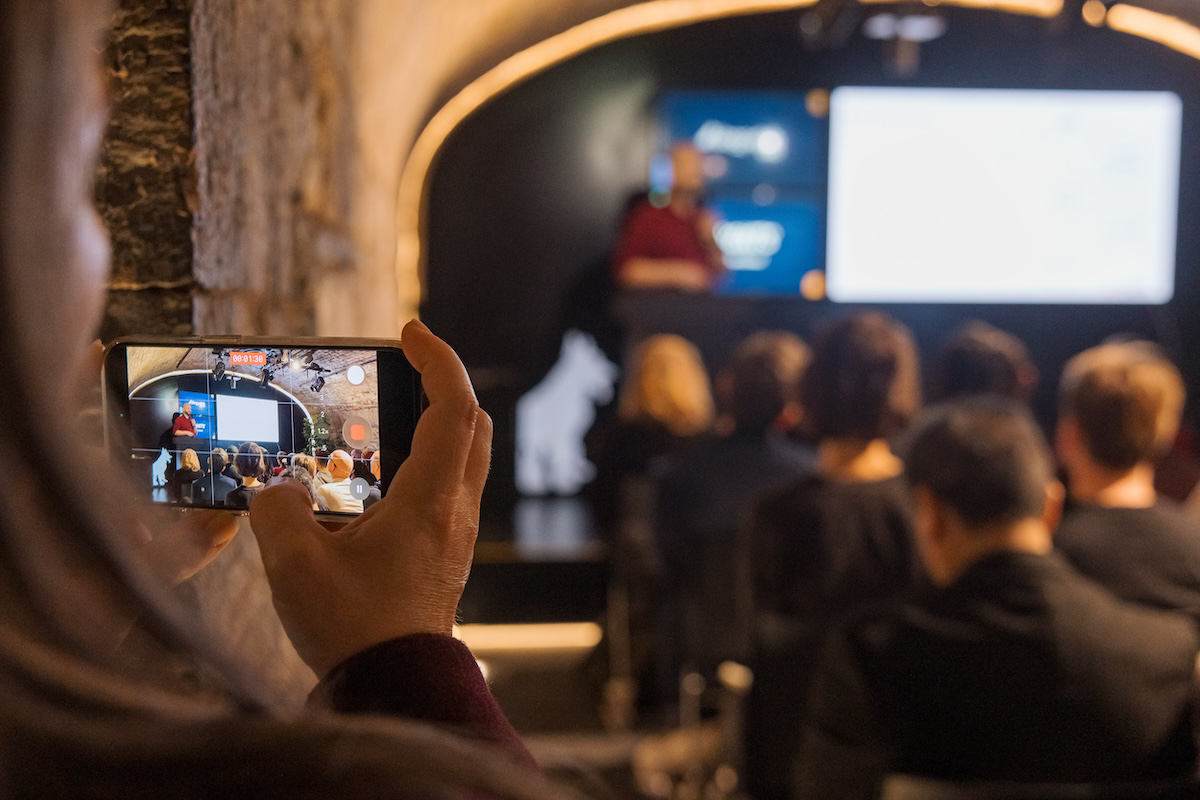
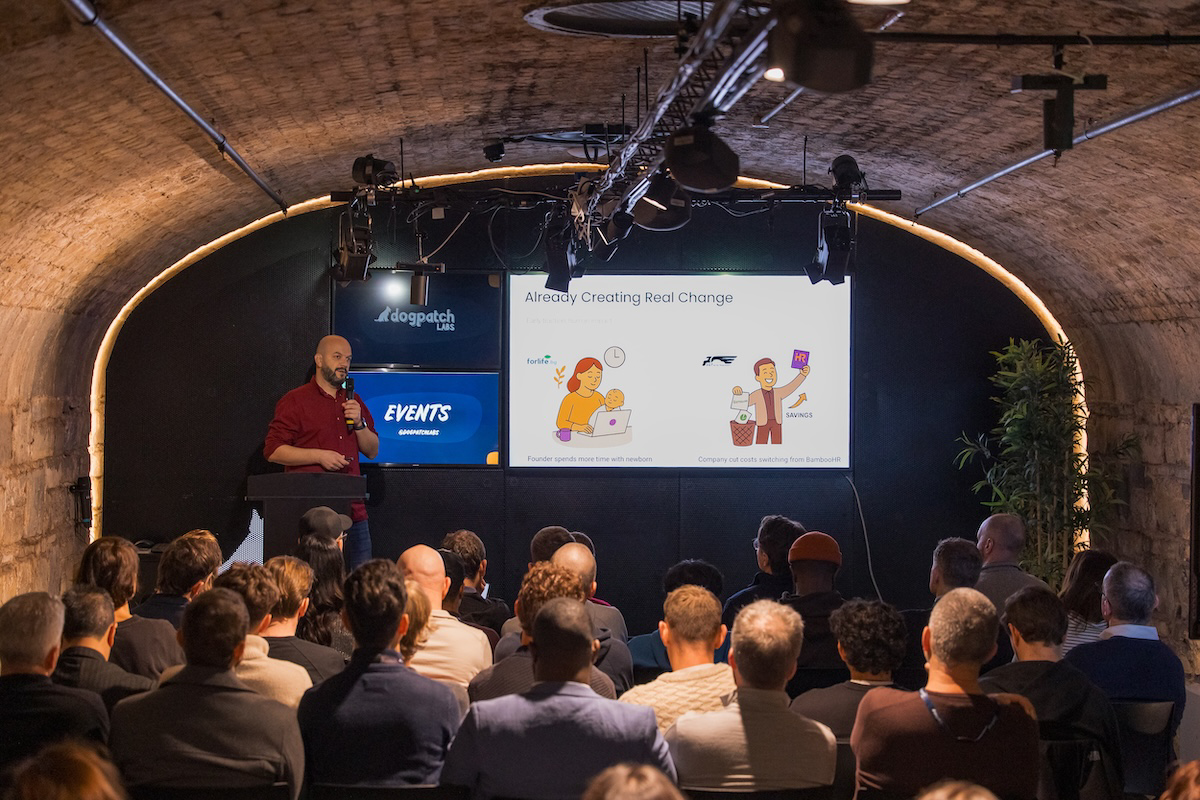
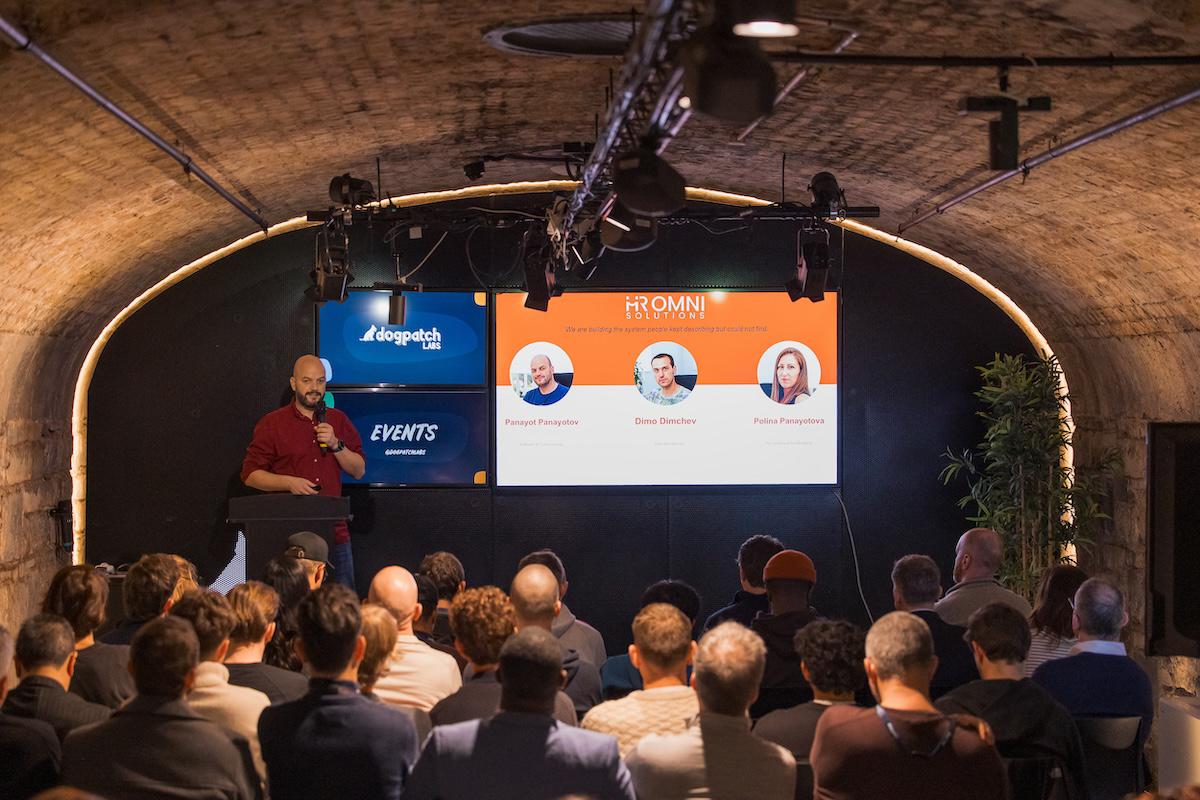
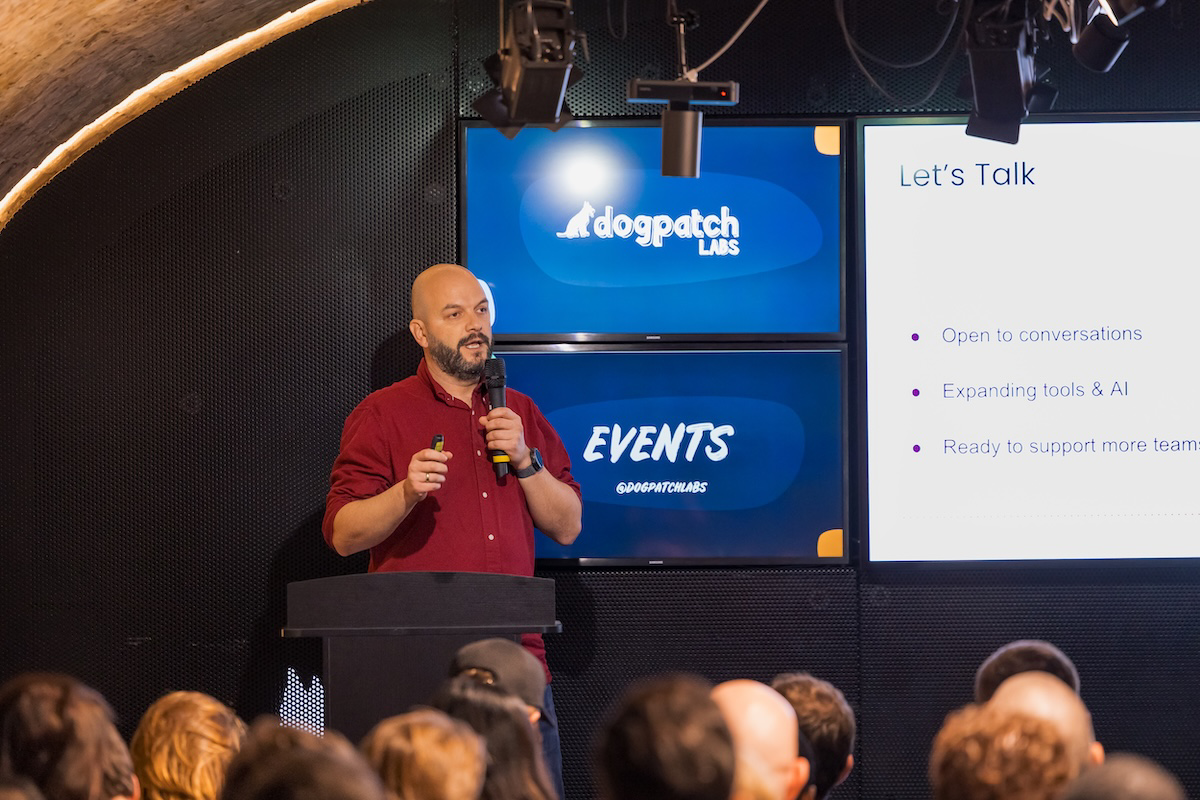
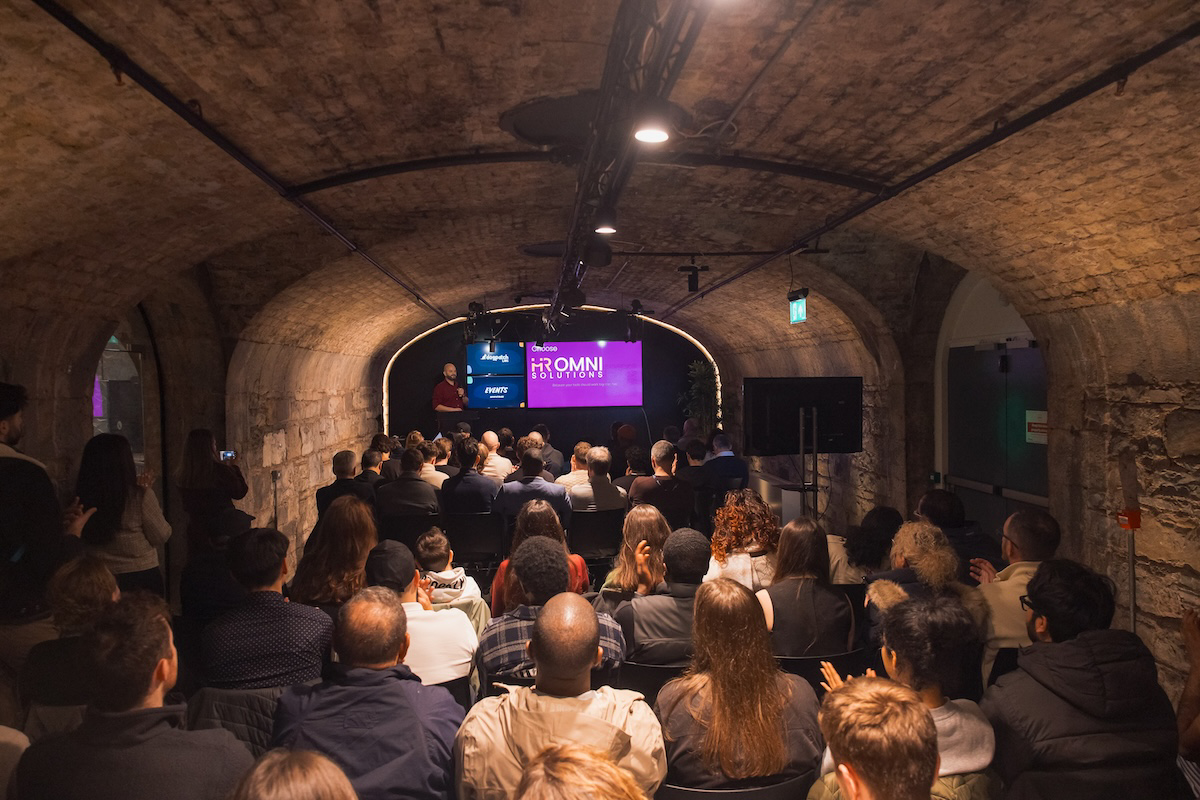
Condensing this story into a 3 minute pitch is challenging, but challenges like this force clarity. You have to explain the real problem companies face, why existing tools cannot fix it, how your approach is different and why it matters for the future of work.
During the pitch, I focused on the pain felt by real users, the architectural shortcomings of legacy platforms and the simple expectation people have. If they enter information once, it should work everywhere. That expectation aligns perfectly with the system we are building.
The reactions from the room showed that the problem is widely recognised. Many founders, operators and investors have lived the same experience and immediately understood why a new approach is needed.
Why This Moment Matters
Pitching in such an environment validates the direction we are moving in. It confirms that companies are frustrated by the limitations of traditional HR platforms. It shows that flexibility, modular design and a single system of record are values people respond to. Most importantly, it confirms that rebuilding HR infrastructure from the core is not only possible but necessary.
What Comes Next
We are continuing to grow our platform, deliver new modules and evolve our AI capabilities. Our vision is to build the HR operating system that small and mid-sized businesses can trust for every stage of the employee journey .